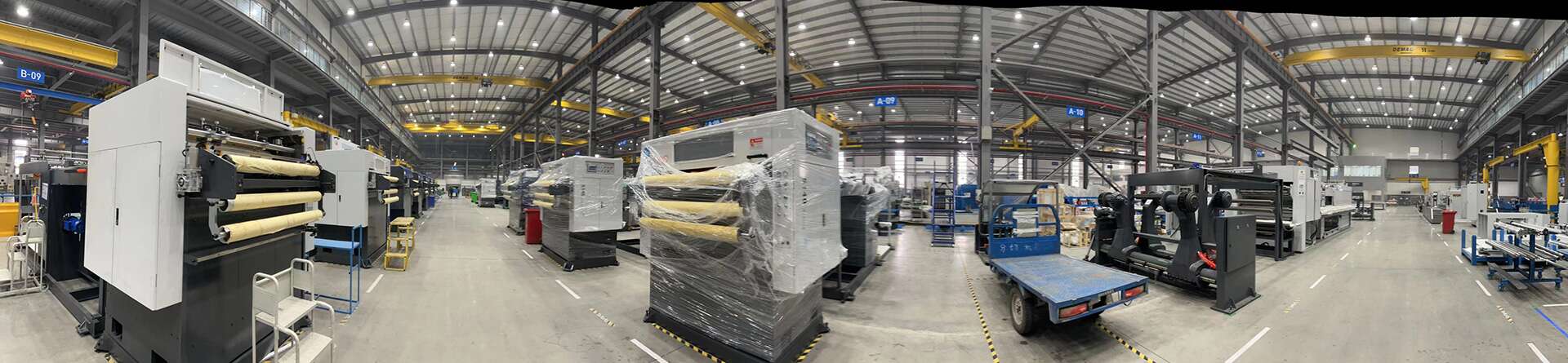
need to be paid attention to during the operation of the high-speed die-cutting machine?
Date:2026-01-10 15:46:59 Views:319
I. Preparations before Startup
Equipment inspection
Check whether all mechanical components (such as die plates, pressing rollers, feeding mechanisms) are installed firmly without any looseness, deformation or wear. In particular, the cutting edge of the die plate must be sharp and without any gaps, to prevent the occurrence of frayed edges or material blockages during die cutting.
Verify that the lubrication system (such as the guide rails and gears) has sufficient oil. Add the corresponding type of lubricating oil as per the instructions to prevent damage to the components due to dry friction.
Check that the electrical system (such as power supply, sensors, control system) is properly connected. Ensure that the emergency stop button and safety protection devices (such as protective covers, infrared sensors) are functioning properly to guarantee immediate shutdown in case of an emergency.
Material and Parameter Confirmation
Does the specification (thickness, size, material) of the semi-finished materials to be processed match the knife mold? Avoid damaging the knife mold or overloading the equipment due to overly thick or hard materials.
Based on the material properties, preset parameters such as die-cutting pressure, speed, and feeding accuracy are determined. Before the initial operation, a trial cut can be conducted to observe the quality of the cut edges and the stability of the feeding process. Then, adjustments can be made gradually to reach the optimal state.
II. Operating Procedures in Progress
Safety protection
It is strictly prohibited to insert hands, tools, etc. into the feeding area, die-cutting area and other dangerous parts during the operation of the equipment. If it is necessary to clear waste or make adjustments, the emergency stop button must be pressed first and the power must be cut off.
Operators must wear the necessary protective equipment (such as gloves and goggles), and long hair should be tied up to prevent it from getting caught in the moving parts.
Real-time monitoring
Closely monitor whether the material transportation is smooth, and check for any phenomena such as deviation, wrinkling, or jamming. Once any issues are detected, immediately stop the machine for handling to prevent material accumulation that could cause equipment overload or damage to the die molds.
Check the quality of the products after die-cutting, such as whether there are any issues like incomplete cutting, uneven cutting edges, or excessive/insufficient indentation. Adjust the pressure, speed or replace the die-cutter accordingly in a timely manner.
Pay attention to whether the equipment is operating normally. If there are abnormal sounds (such as metal friction sounds, impact sounds), abnormal vibrations or odors, you must stop the machine immediately for inspection to prevent the failure from worsening.
Waste disposal
Timely remove the waste materials generated during die-cutting to prevent them from accumulating in the feeding channel or on the die-cutting table, which may affect the accuracy of material transportation or cause equipment jams.
III. Maintenance after Shutdown
Equipment cleaning
After the machine is shut down, clean the dust, paper scraps, oil stains, etc. from the surface and inside of the equipment. Special attention should be paid to removing the remaining waste on the die-cutting knife and the pressure roller to prevent corrosion or affect the next use.
Wipe and lubricate the sliding parts such as the feeding roller and the guide rail to ensure smooth operation in the next run.
Parameter Reset and Recording
Before shutting down the device power, reset the operating parameters to their initial state to prevent any malfunctions caused by incorrect parameters during the next startup.
Record the product model, parameter settings, problems encountered and handling methods during this run, so as to facilitate subsequent traceability and optimization.
Regular inspection
According to the requirements of the equipment manual, regularly inspect the wear conditions of key components (such as knife molds, bearings, transmission belts, and sensors), and promptly replace aging or damaged parts to ensure the long-term stable operation of the equipment.
Summary
The safe operation and efficient production of high-speed die-cutting machines rely on strict pre-start checks, standardized operation during use, and timely maintenance after shutdown. Operators need to be familiar with the equipment's characteristics, remain highly vigilant, and promptly address any issues to ensure personal safety, extend the equipment's lifespan, and improve product quality.